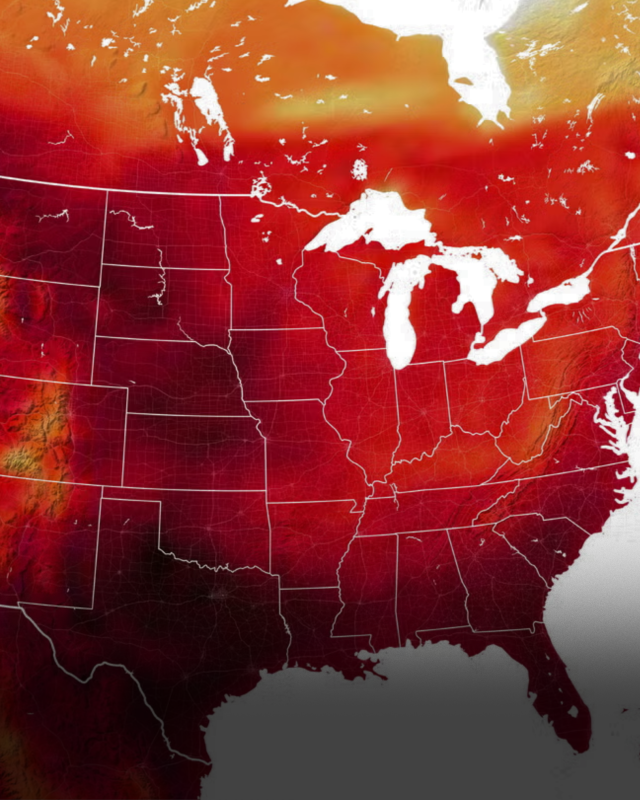
As spring arrives, so does an increase in wildlife activity across the country. Birds begin nesting, small animals become more active, and natural habitats intersect more frequently with electrical infrastructure. While this seasonal shift is a natural part of the environment, it also brings increased risk for both wildlife and the power systems communities rely on every day.
That’s where wildlife guards play an important role.
The Intersection of Wildlife and the Grid
Electrical infrastructure is often installed in areas that overlap with natural habitats. Poles, transformers, and substations can unintentionally attract birds and animals looking for nesting areas, perches, or shelter.
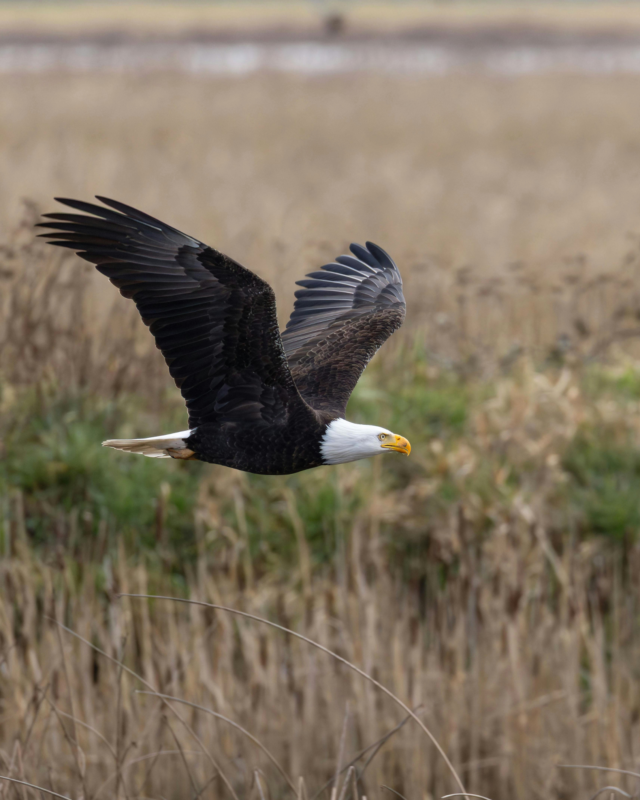
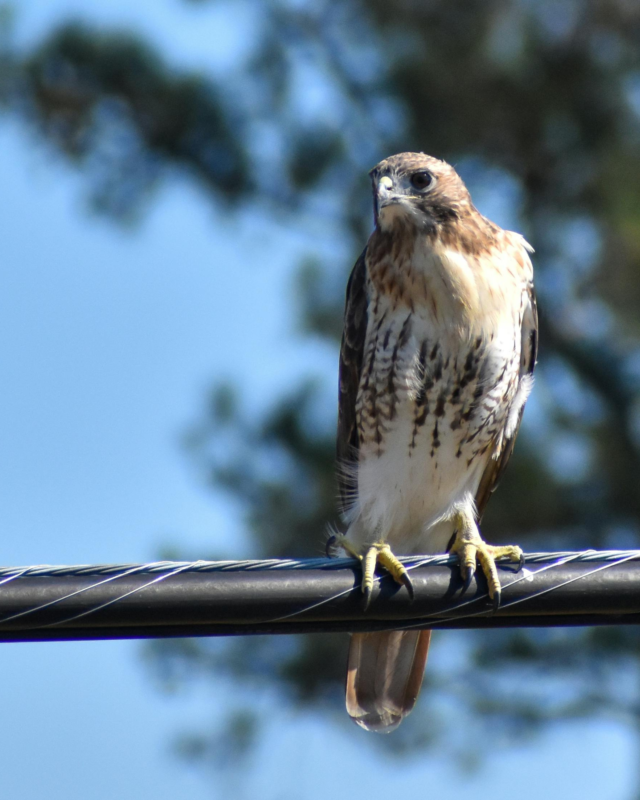
For birds, especially large species like hawks and bald eagles, contact with energized equipment can pose a serious risk. Electrocution and equipment interference are well-documented hazards when wildlife comes into contact with unprotected electrical components.
At the same time, these interactions don’t just impact wildlife – they can also lead to outages, equipment damage, and disruptions to service.
What Are Wildlife Guards?
Wildlife guards are protective components designed to prevent animals from coming into contact with energized parts of electrical equipment, particularly around distribution transformers and high-voltage bushings.
They are engineered to:
- Create a physical barrier between wildlife and electrical components
- Reduce the risk of animal-related outages
- Help utilities maintain safe and reliable operations
- Support environmental and conservation efforts
By limiting access to critical areas, wildlife guards help ensure that both equipment and animals are protected.
Supporting Wildlife Conservation
Wildlife protection is an important consideration for utilities and manufacturers alike. Many species, especially birds of prey, are protected under federal and state regulations, and there is growing awareness around the importance of preserving natural ecosystems.
While electrical infrastructure is essential, it must also coexist with the environment around it.
Wildlife guards are a practical, proactive solution that supports this balance. By reducing the likelihood of harmful interactions, they help:
- Protect birds and animals from preventable harm
- Support conservation initiatives and environmental responsibility
- Minimize human impact on surrounding ecosystems
For species like bald eagles and other large birds, even small design considerations, like spacing and insulation, can make a meaningful difference.
Reliability and Responsibility Go Hand in Hand
Protecting wildlife isn’t just about conservation. It’s also about grid reliability.
Animal-related disruptions are a known cause of outages across electrical systems. When wildlife comes into contact with energized components, it can lead to:
- Equipment damage
- Service interruptions
- Increased maintenance needs
By incorporating wildlife guards into transformer design and installation, utilities can reduce these risks while maintaining consistent service.
This approach reflects a broader shift in the industry: designing infrastructure that is not only durable and reliable, but also responsible.
Built for the Field
At CMI, wildlife guards are designed with both performance and protection in mind. Built to fit common distribution transformer configurations, they are engineered to withstand environmental conditions while providing effective coverage where it matters most.
As spring transitions into the higher-demand months of summer, preparation becomes even more critical. Wildlife activity, combined with changing weather patterns, makes this a key time for utilities to evaluate protective measures across their systems.
A Smarter Approach to Protection
Wildlife guards are a small component with a significant impact. They represent a practical step toward safer infrastructure, stronger reliability, and better environmental stewardship.
Because protecting the grid also means protecting what surrounds it.