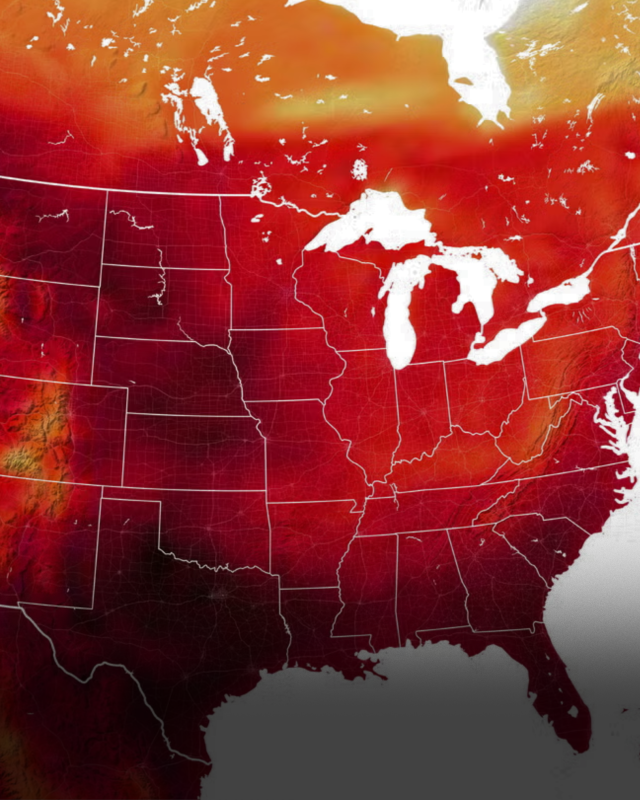
As temperatures rise, so does the demand on the electrical grid. Air conditioning systems run longer, equipment operates under increased load, and weather patterns become more unpredictable. While summer is a season of peak energy use, it’s also one of the most common times for power outages.
Understanding what causes these disruptions – and how they can be mitigated – plays an important role in maintaining reliable power.
Increased Energy Demand
One of the most significant factors during the summer months is increased energy consumption. As temperatures climb, homes and businesses rely heavily on cooling systems, placing additional strain on electrical infrastructure.
This surge in demand can push equipment closer to its operating limits. Without proper planning and system capacity, the added load can lead to overheating, reduced efficiency, or, in some cases, equipment failure.
Extreme Weather Events
Summer weather can be unpredictable and intense. Thunderstorms, high winds, and lightning strikes are all common causes of power outages across the country.
Lightning, in particular, can create sudden voltage spikes that travel through the system, potentially damaging equipment if protective measures are not in place. High winds and falling debris can also impact overhead lines and distribution systems, leading to localized outages.
Equipment Stress and Aging Infrastructure
Electrical equipment operates year-round, but the added stress of summer conditions can expose vulnerabilities – especially in aging infrastructure.
Components such as transformers, bushings, and connectors experience thermal cycling as temperatures fluctuate. Over time, this can weaken seals, degrade insulation, and increase the likelihood of failure under peak conditions.
Routine inspection and maintenance are key to identifying these risks before they lead to larger issues.
Wildlife Interference
Warmer weather also brings increased wildlife activity. Birds, squirrels, and other animals are more active during the summer months and often come into contact with electrical equipment.
These interactions can result in equipment damage or unexpected outages. Protective solutions, such as wildlife guards, help reduce these risks by limiting access to energized components and preventing direct contact.
The Importance of Preventative Measures
While not all outages can be avoided, many can be mitigated through proactive planning and system design. Utilities and infrastructure providers focus on several key strategies to improve reliability during the summer season:
- Routine inspections to identify wear, damage, or potential failure points
- Upgraded components designed to withstand higher temperatures and increased load
- Protective equipment to manage surges and reduce environmental risks
- System planning to balance demand and maintain stable operation
These measures help ensure that equipment remains prepared for the challenges that come with peak energy usage.
Supporting Reliable Power Through the Summer
At CMI, reliability starts with building equipment designed to perform under pressure. From durable transformer components to protective solutions that support safe operation, every part plays a role in maintaining consistent power delivery.
As summer approaches, preparation becomes critical. By understanding the common causes of outages and taking steps to address them, utilities can help reduce risk and keep systems running when demand is at its highest.
Because when conditions change, reliable infrastructure makes the difference.