As homes get smarter and more electrified, the way we use power is shifting – dramatically. From streaming services and smart appliances to EV chargers and electric heating systems, every plug-in convenience comes with a hidden cost: increased demand on the electrical grid. And with consumer electricity use on the rise, the pressure is on for utility providers and equipment manufacturers to keep up.
At CMI, we’re not just watching the trend – we’re helping power through it. Here’s how everyday habits are reshaping energy demand, and why transformer reliability is more critical than ever.
The Rise in Residential Electricity Use
Let’s start with the numbers. According to the U.S. Energy Information Administration, residential electricity consumption is expected to grow by 1.7% in 2025, following a nearly 2% increase the year prior. This might sound small, but at grid scale, that’s massive.
What’s driving the growth?
- Streaming and screen time: TVs, game consoles, and routers are always on.
- Smart home tech: From thermostats to doorbells to voice assistants, these devices often run 24/7.
- Electric heating and cooling: Heat pumps and electric furnaces are gaining popularity for their efficiency, especially in areas shifting away from gas.
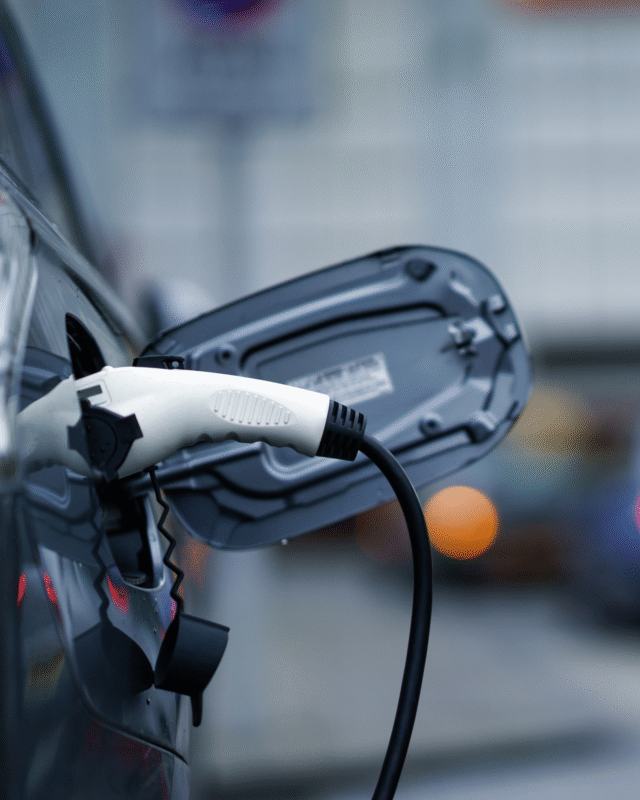
- EV adoption: Home charging adds a completely new category of demand, often during evening peak hours.
- Remote work: More people working from home means lights, computers, and HVAC systems stay on longer.
Every bit of convenience adds up. And the more devices we bring home, the more we stress the aging infrastructure powering it all.
Peak Demand Is No Longer Just Seasonal
Traditionally, utilities prepared for demand spikes during extreme weather: freezing winters and sweltering summers. But today, peak demand is becoming a daily occurrence. Why?
For example, charging an EV overnight can add 10–30 kWh per day. High-efficiency heat pumps run longer in shoulder seasons (spring and fall) to maintain indoor comfort. And finally, always-on tech consumes low but constant power, keeping base load demand high.
This evolving pattern means utilities need equipment, like distribution transformers and components, that can handle constant high loads, not just occasional surges.
Why Transformer Reliability Matters Now More Than Ever
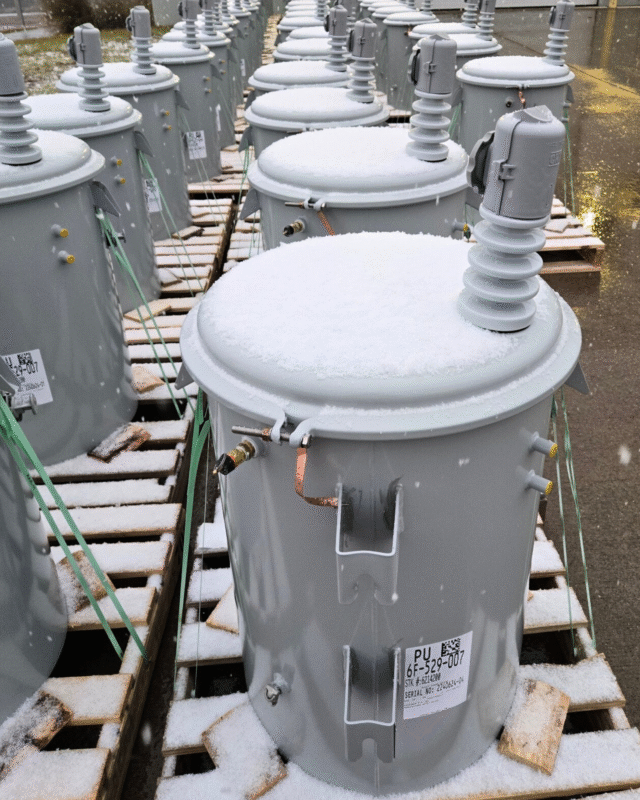
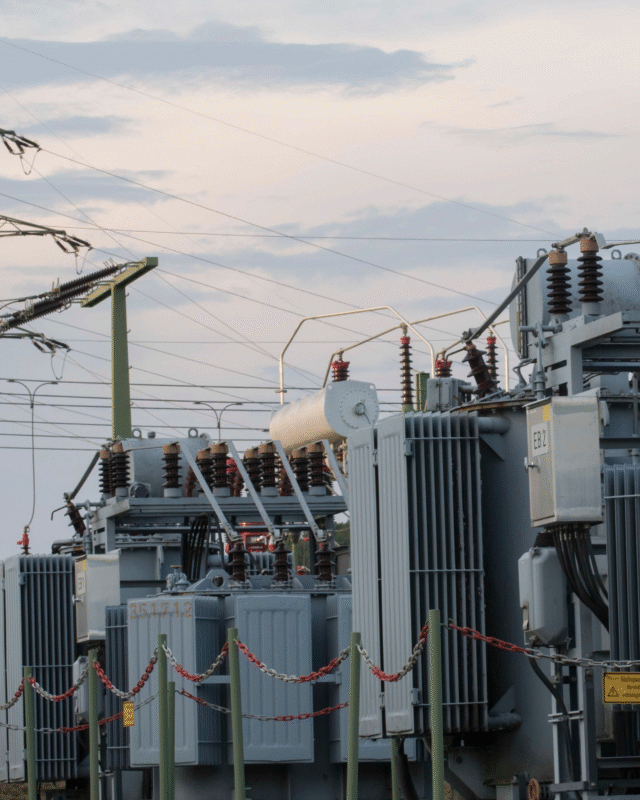
Distribution transformers are the unsung heroes of the power grid. They step voltage down from transmission lines to usable levels at homes and businesses. But as load profiles change, older transformers are pushed beyond their design limits, leading to overheating, failures, or dangerous flashover events.
That’s why transformer reliability is no longer optional – it’s mission-critical.
At CMI, we manufacture and supply industry-leading distribution transformers and transformer components designed to:
- Handle high-load conditions consistently
- Support smart grid compatibility and monitoring
- Resist temperature-driven wear and dielectric breakdown
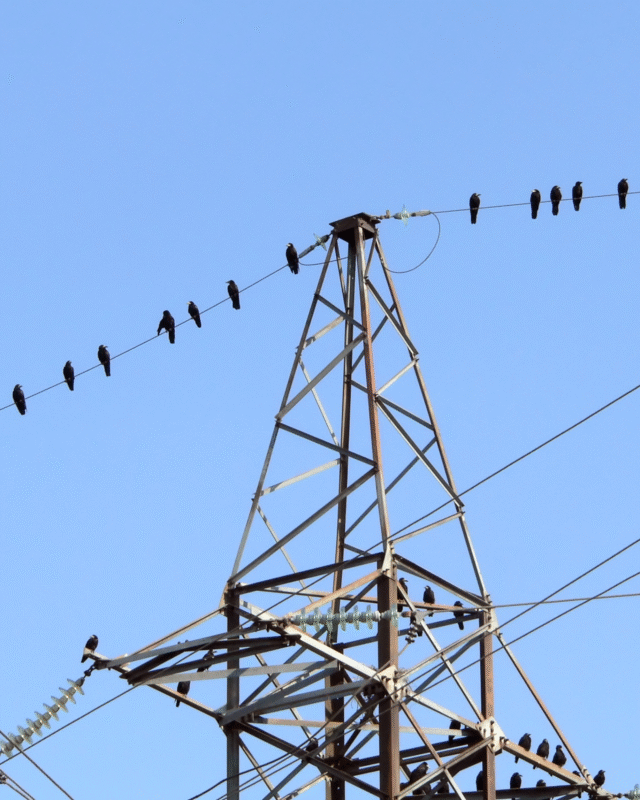
- Pair with wildlife protection guards to reduce outage risks
- Maintain long-term performance in demanding environments
The goal? To give utilities the confidence that their systems can perform under today’s (and tomorrow’s) demands.
Planning for Growth Starts at the Component Level
If the residential demand curve is rising, the infrastructure curve must stay ahead of it.
That’s why forward-thinking utilities are:
- Replacing aging transformers before they fail under load
- Upgrading to flame-retardant bushings and wildlife guards to reduce outage risk
- Stocking critical components ahead of seasonal demand
- Working with manufacturers like CMI who can supply reliable solutions at scale
Whether it’s a backyard transformer or a major substation upgrade, the same truth applies: better components build a better grid.
Powering a More Electrified Future
Every time a new device enters the home, it draws power from the same infrastructure utilities have relied on for decades. The difference now? The demand doesn’t stop.
At CMI, we’re helping utilities modernize their systems one component at a time, from rugged bushings to advanced wildlife protection solutions. As electricity consumption climbs, our commitment to transformer reliability and system performance grows with it.
The future is electric. And we’re proud to help power it.