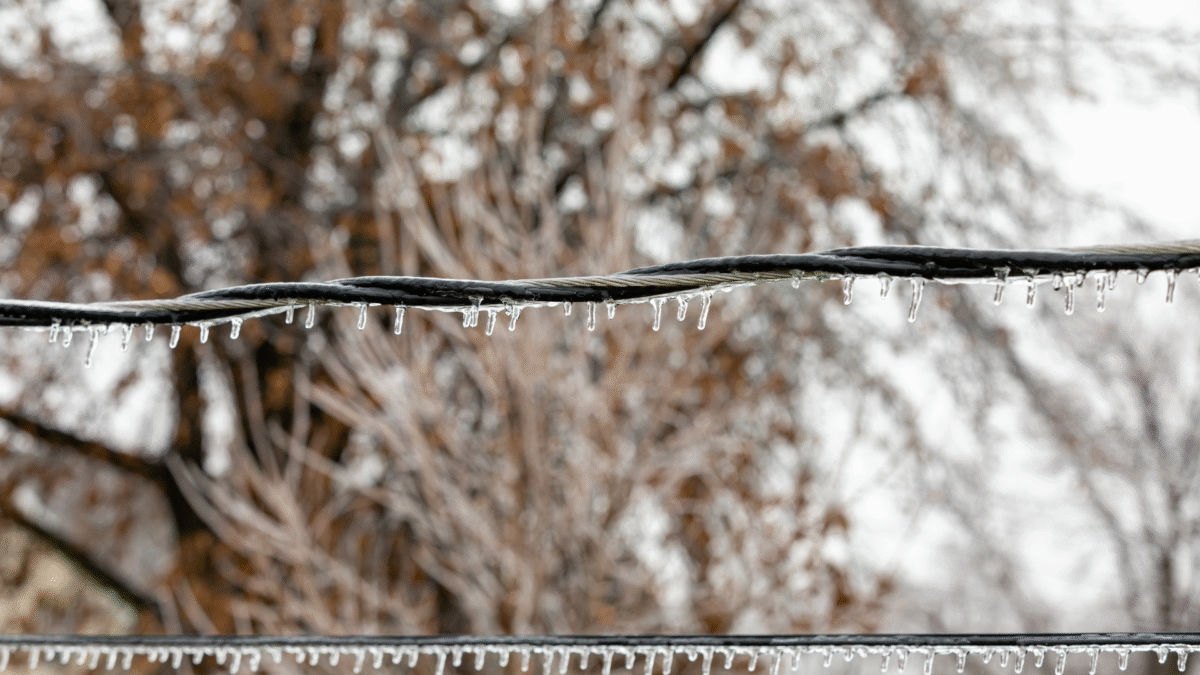
The reliability of America’s electrical grid is something many of us take for granted – until it fails. While extreme winter weather often conjures images of snow and ice weighing down power lines, the truth is that frigid temperatures can cause widespread outages even without a single snowflake. As temperatures plummet, the demand for electricity skyrockets, and the nation’s energy infrastructure is pushed to its limits. At CMI, we understand that reliable transformer technology is the backbone of a resilient grid, particularly during the harshest conditions. Let’s explore how winter weather affects the grid and what’s needed to ensure we help our customers stay powered through the coldest months of the year.
The Power Grid’s Hidden Vulnerabilities in Winter
Extreme cold can expose vulnerabilities in the electrical grid that might remain dormant during milder seasons. This particular winter has already tested the grid in regions of the United States which are not usually prone to extreme cold weather events, but record-breaking snowfall and winter storms in the southern states have only heightened the importance of dependable transformers.
The impact on the grid begins with increased energy demand. Heating systems, whether electric furnaces or space heaters, require significant power to maintain indoor comfort, particularly during prolonged cold snaps. This surge in usage puts additional stress on transformers and other grid components that are already operating near capacity.
Another key challenge is what some refer to as “cold load pickup.” When an outage occurs and power is restored, the sudden surge in demand can exceed normal operating levels as systems simultaneously restart. Picture every thermostat in a neighborhood flipping back on at once after an outage. The cumulative load can strain or even damage transformers. This phenomenon is particularly common during winter outages and is a leading cause of repeated failures in areas with already stressed infrastructure.
Moreover, the aging infrastructure of America’s power grid compounds these challenges. Many components, including transformers, were not designed to handle today’s energy demands or the increasingly erratic weather patterns driven by climate change. Addressing these vulnerabilities is essential to ensuring reliable power during winter and beyond.
How Winter Weather Impacts Transformers and Infrastructure
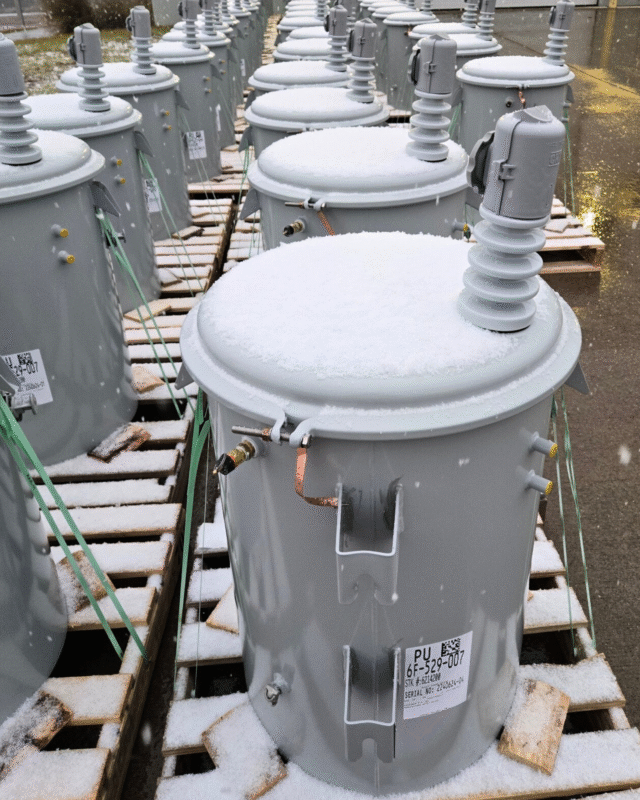
Transformers play a pivotal role in the grid by stepping up or stepping down voltage to
ensure electricity flows where it’s needed. However, they’re not immune to the effects of extreme cold. Below freezing temperatures can significantly impact transformer performance in several ways. Cold weather can lead to condensation inside transformers, which impacts the oil content, causing degradation that can cause short circuits or corrosion over time. This issue is especially prevalent in older units without modern sealing technology.
The Role of Transformer Innovation in Preventing Outages
At CMI, we’re committed to driving innovation in transformer technology to address these challenges head-on. Modern transformers are equipped with features specifically designed to mitigate the risks posed by extreme winter weather. Today’s transformers are designed to minimize energy loss, reducing strain on the grid during periods of high demand.
These advancements not only enhance reliability but also extend the lifespan of transformers, reducing the need for costly replacements and repairs. By investing in cutting-edge technology, utilities can ensure their infrastructure is prepared to handle the challenges of extreme weather.
Building a Reliable Future for America’s Grid
As America faces more frequent and intense weather events, the need for a reliable electrical grid has never been more urgent. Upgrading aging infrastructure is no longer optional; it’s essential to safeguarding our communities and economy. At CMI, we’re proud to play a role in this critical mission. Our transformers, wildlife guards, and components are designed to meet the demands of a modern grid, ensuring reliable power delivery even under the harshest conditions. But achieving true grid resilience requires collaboration across the industry. Utilities, policymakers, and manufacturers must work together to prioritize investment in infrastructure that’s built to last.
The consequences of inaction are clear: prolonged outages, economic disruption, and compromised safety for millions of Americans. By contrast, proactive investment in reliable technology creates a future where the grid can withstand anything nature throws its way.
What’s Next?
Winter weather is a formidable adversary for America’s power grid, but it doesn’t have to be a losing battle. By understanding the unique challenges posed by extreme cold and investing in advanced transformer technology, we can ensure reliable power for homes, businesses, and critical facilities when it matters most.
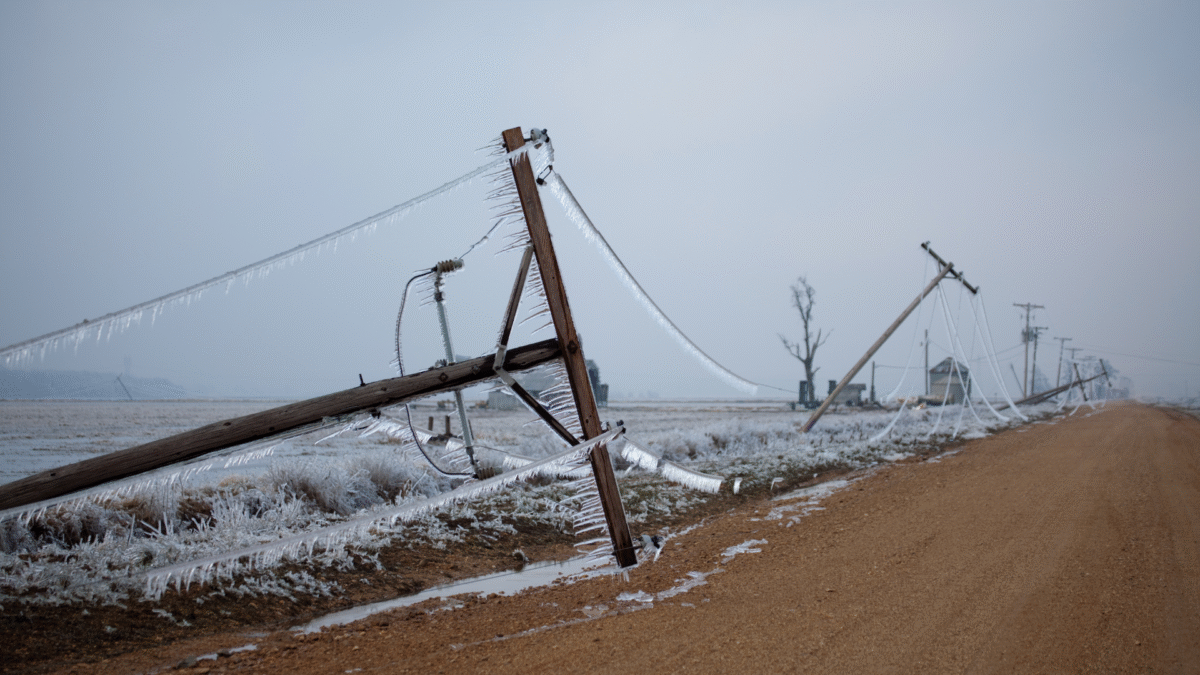
Proactive tree trimming by power companies also plays a critical role in reducing ice-related damage to power lines. By removing weak, overgrown, or improperly positioned branches, utilities lower the risk of limbs snapping under the weight of ice and falling onto lines during winter storms. This preventive maintenance helps protect infrastructure, shortens outage times, and improves overall reliability and safety for communities.
At CMI, we’re dedicated to supporting and building the solutions that keep America’s grid running smoothly. Whether it’s with cold-weather-resistant materials, or innovative cooling technologies, our transformers are designed to meet the challenges of tomorrow. Explore how our products are shaping the future of grid reliability by visiting webuildpower.com.