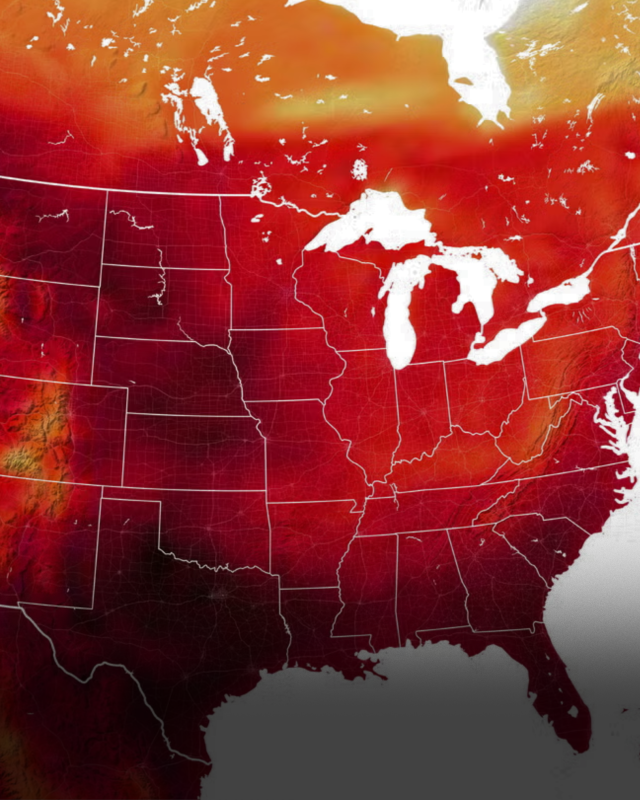
Each year, hurricane season brings increased challenges for utilities, municipalities, and electrical infrastructure providers across the Gulf Coast, Southeast, and Atlantic regions. While storms are inevitable, widespread outages and equipment damage can often be reduced through proactive planning, preventative maintenance, and infrastructure readiness.
With hurricane season officially beginning in June, now is the time for utilities to evaluate critical assets, inspect vulnerable equipment, and prepare for the demands severe weather can place on the electrical grid.
Why Hurricane Preparedness Matters
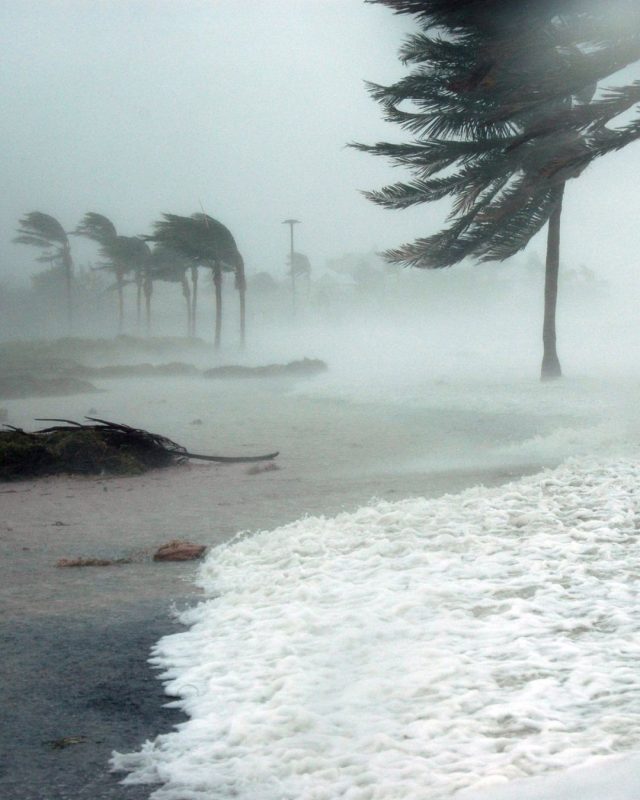
Hurricanes are capable of producing sustained high winds, flooding, lightning strikes, storm surges, and widespread debris. These conditions create significant stress on electrical infrastructure, often leading to:
- Downed power lines
- Damaged transformers
- Equipment failures
- Extended outages
- Increased restoration costs
As storm intensity and frequency continue to challenge electrical systems, grid resilience has become a growing priority for utilities across North America.
The Impact of Hurricanes on Electrical Infrastructure
Electrical systems are designed for reliability, but extreme weather conditions can test even the most robust equipment.
High Winds
Strong winds can damage poles, overhead lines, substations, and transformer components. Flying debris can also impact critical infrastructure, creating additional repair and safety concerns.
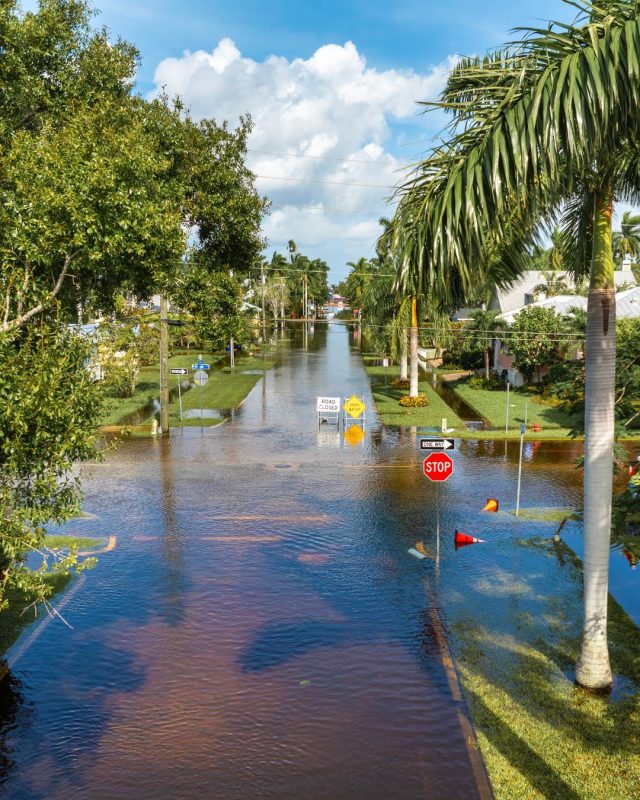
Flooding and Water Intrusion
Flooding is one of the most common causes of storm-related equipment damage. Water can compromise electrical components, contaminate insulating materials, and create long-term reliability concerns if not properly addressed.
Lightning and Power Surges
Hurricanes frequently bring intense lightning activity. These events can create voltage surges capable of damaging equipment and accelerating wear on critical components.
Increased System Demand
Following a storm, utilities often face significant demand fluctuations as power restoration efforts begin. Equipment must be prepared to handle these changing load conditions while maintaining reliable operation.
Key Hurricane Season Maintenance Priorities
Preparing for hurricane season starts long before a storm appears on the forecast.
Inspect Critical Transformer Components
Transformers play a vital role in maintaining reliable power distribution. Utilities should inspect:
- Bushings
- Connectors
- Insulation systems
- Cooling components
- Protective devices
Addressing wear and aging components before peak storm activity can help reduce the likelihood of failures during severe weather events.
Evaluate Wildlife and Environmental Protection Measures
Wildlife guards and protective covers can help reduce outage risks caused by animals seeking shelter around electrical equipment before and after storms.
Protective solutions also help shield critical components from debris and environmental exposure.
Review Surge Protection Systems
Lightning strikes and switching events often increase during hurricane season. Utilities should evaluate surge protection devices and ensure systems are properly maintained to help mitigate potential damage.
Assess Aging Infrastructure
Older infrastructure may be more vulnerable to storm-related failures. Identifying and upgrading aging equipment can improve reliability and reduce restoration timelines following severe weather.
Building a More Resilient Grid
Hurricane preparedness is about more than responding to storms. It’s about building infrastructure that can withstand them.
Utilities continue investing in:
- Modern transformer technology
- Durable distribution equipment
- Improved protective systems
- Grid modernization initiatives
- Enhanced monitoring and maintenance programs
These efforts help strengthen overall grid resilience and improve recovery capabilities when severe weather strikes.
The Role of Reliable Components
Often, reliability comes down to the performance of individual components.
Bushings, surge protection devices, insulation systems, wildlife guards, and other protective solutions all contribute to the long-term reliability of electrical infrastructure. While they may represent a small portion of the overall system, their role during extreme weather events can be significant.
Ensuring these components are properly maintained and upgraded when necessary can help utilities reduce risk and improve operational performance throughout hurricane season.
Preparing Before the Forecast Changes
The most effective hurricane preparation happens before a storm is named.
By inspecting equipment, evaluating critical infrastructure, and implementing preventative maintenance strategies, utilities can improve system reliability and better position themselves for the challenges ahead.
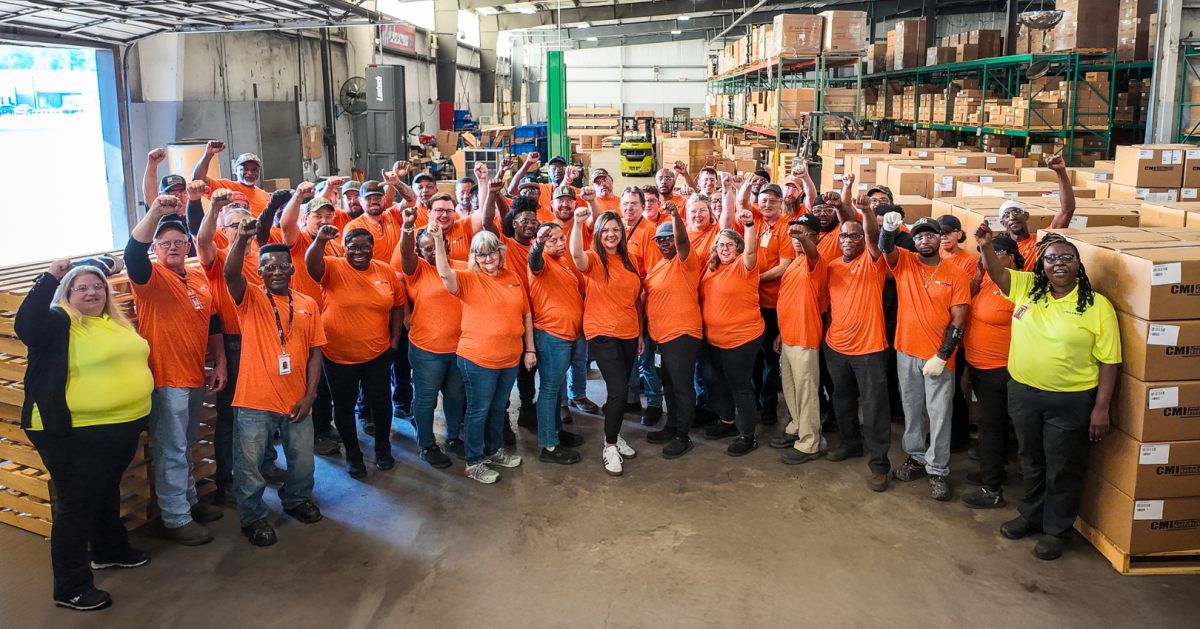
At CMI, we understand the importance of reliable electrical infrastructure in every season. From transformer components to protective solutions designed for demanding environments, preparation remains one of the most effective tools for maintaining grid resilience when severe weather arrives.