Most people don’t think about the electrical grid until something interrupts it. A storm knocks out power, a transformer fails, or a period of extreme weather puts electrical systems under strain.
Behind the electricity we rely on every day is an enormous network of infrastructure. Power generation facilities, transmission lines, substations, distribution transformers, and countless individual components all work together to move electricity from its source to the communities and businesses that need it.
Throughout 2026, that infrastructure has faced growing demands. Expanding data centers, industrial development, changing energy resources, and increasingly complex reliability challenges have placed new attention on the need to strengthen and modernize America’s electrical grid.
And while much of the conversation focuses on large-scale energy projects, the equipment that makes everyday power distribution possible remains just as important.
A Growing Demand for Electricity
One of the defining electrical infrastructure stories of 2026 has been the continued growth in electricity demand.
According to the U.S. Energy Information Administration’s October 2026 Short-Term Energy Outlook, nationwide electricity consumption increased approximately 4% during the third quarter compared with the same period in 2025. Higher cooling needs during a hot summer contributed to that increase, particularly among residential and commercial customers.
Beyond seasonal demand, larger changes are reshaping electricity needs across the country.
Data centers supporting artificial intelligence and digital services require substantial electrical capacity. Expanding manufacturing facilities, industrial operations, and other large electricity users are also contributing to demand growth.
These developments create opportunities for economic growth, but they also raise an important question: Can electrical infrastructure expand quickly enough to support them?
For utilities and grid operators, the challenge extends beyond producing more electricity. It also means ensuring that transmission and distribution systems can safely and reliably deliver that power wherever it is needed.
2026 Brought New Attention to Grid Infrastructure Investment
Meeting growing demand requires more than adding generation capacity.
In March 2026, the U.S. Department of Energy announced an approximately $1.9 billion funding opportunity aimed at accelerating upgrades to critical electrical grid infrastructure. The initiative emphasized technologies such as reconductoring, which replaces existing power lines with higher-capacity conductors to increase the amount of electricity infrastructure can carry.
Later, in July, the Department of Energy released its draft 2026 National Transmission Needs Study, identifying the need for additional transmission infrastructure to support data centers, manufacturing expansion, and other large electrical loads.
These developments reflect an important shift in the national conversation.
The question is no longer simply how much electricity the country can generate. It is also how effectively existing infrastructure can move that electricity, where additional capacity is needed, and how utilities can strengthen reliability while systems expand.
Some improvements involve building new infrastructure. Others focus on modernizing equipment, improving system capacity, or extending the useful life of existing assets.
Both approaches will remain important as the grid evolves.
Why Transformers Remain Essential to Grid Reliability
While transmission projects often receive significant attention, transformers remain among the most important pieces of equipment within the electrical grid.
Electricity moves through the power system at different voltage levels. Transformers make it possible to increase or decrease voltage as electricity travels from generation facilities through transmission networks and into local distribution systems.
Distribution transformers perform a particularly important job by reducing voltage to levels suitable for homes, businesses, and other end users.
As communities grow and electrical demand changes, utilities must evaluate whether existing transformer capacity can accommodate those needs.
New residential developments, expanding commercial areas, industrial facilities, and changing electrical loads can all influence where transformer installations or replacements become necessary.
Transformer reliability also matters because these units are expected to operate under demanding conditions over long service lives.
Heat, environmental exposure, changing loads, and severe weather can place stress on electrical equipment. Proper equipment selection, manufacturing quality, installation, and ongoing utility maintenance all contribute to long-term performance.
In a growing electrical system, dependable transformers are not simply supporting infrastructure. They are essential infrastructure.
The Components Behind the Larger System
A transformer may be the most recognizable piece of equipment in a distribution installation, but its performance depends on far more than the main unit.
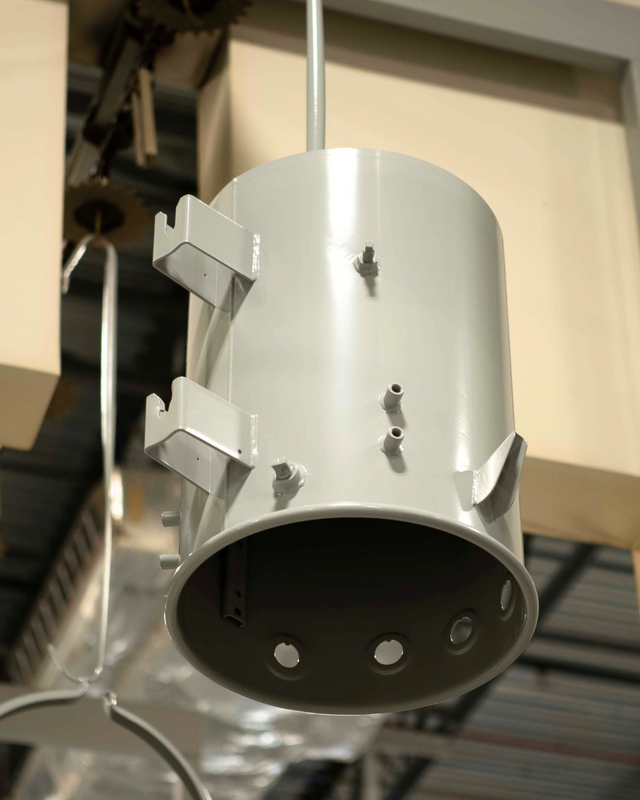
Bushings provide insulated pathways for electrical connections through transformer enclosures. Switching components support specific operating and configuration requirements. Protective accessories help reduce exposure to certain environmental hazards.
Wildlife guards, for example, can help limit animal access to vulnerable areas around electrical equipment, reducing the opportunity for wildlife-related faults and interruptions.
Each component serves a different purpose, but all contribute to the operation of the larger system.
This becomes especially important as utilities work to strengthen electrical infrastructure. Reliability depends not only on expanding capacity, but also on considering the smaller elements that support equipment performance over time.
A modern electrical grid needs both major infrastructure investments and dependable equipment at the individual installation level.
Reliability Challenges Continued Throughout 2026
Grid expansion is only one part of the reliability picture.
Extreme temperatures, severe storms, changing generation resources, and growing electrical loads continued to shape reliability planning during 2026.
In its 2026 Summer Reliability Assessment, the North American Electric Reliability Corporation identified increasing peak demand across much of North America. Although new resources strengthened the outlook, the assessment also identified regions where extreme conditions could create reliability challenges.
These findings reinforce why infrastructure planning must consider more than average operating conditions.
Electrical systems must be prepared for periods when demand rises sharply, weather damages equipment, or unexpected disruptions affect the availability of power.
For utilities, that means evaluating equipment condition, planning for future capacity requirements, managing vegetation, maintaining distribution systems, and investing in infrastructure that can support long-term reliability.
It also means recognizing that no single technology or improvement can eliminate every risk.
Grid reliability is the result of many coordinated decisions made across generation, transmission, distribution, maintenance, and equipment manufacturing.

American Manufacturing Has a Role in What Comes Next
As electrical infrastructure needs expand, the manufacturing industry plays an important supporting role.
Transformers and electrical components must be designed, produced, tested, and delivered before they can become part of new or upgraded systems.
That work requires specialized equipment, technical expertise, skilled trades, engineering knowledge, and manufacturing capabilities that can respond to changing industry needs.
At Central Moloney, building transformers and transformer components is part of supporting the infrastructure communities depend on.
From distribution transformers to bushings, switching products, and wildlife protection solutions, CMI manufactures equipment that serves important functions within electrical distribution systems.
As the industry continues to respond to growing electricity needs, dependable manufacturing remains one of the foundations of a reliable grid.
Looking Ahead: Building for the Grid of Tomorrow
The developments of 2026 have made one thing increasingly clear: America’s electrical grid must continue evolving to meet the demands placed upon it.
Electricity consumption is growing. New industries are changing where and how power is needed. Utilities are evaluating infrastructure improvements, while grid operators work to balance expanding demand with long-term reliability.
The work ahead will involve major transmission projects, new generation resources, distribution system upgrades, and continued investment in the equipment already serving communities.
But it will also depend on the less visible parts of the electrical system: the transformers, components, connections, and manufacturing processes that make reliable power delivery possible.
At CMI, we’re proud to contribute to that infrastructure and to the work of preparing electrical systems for the future.
A reliable grid isn’t built through one project, one product, or one improvement. It’s built through the strength of the entire system.