America’s energy landscape is changing.
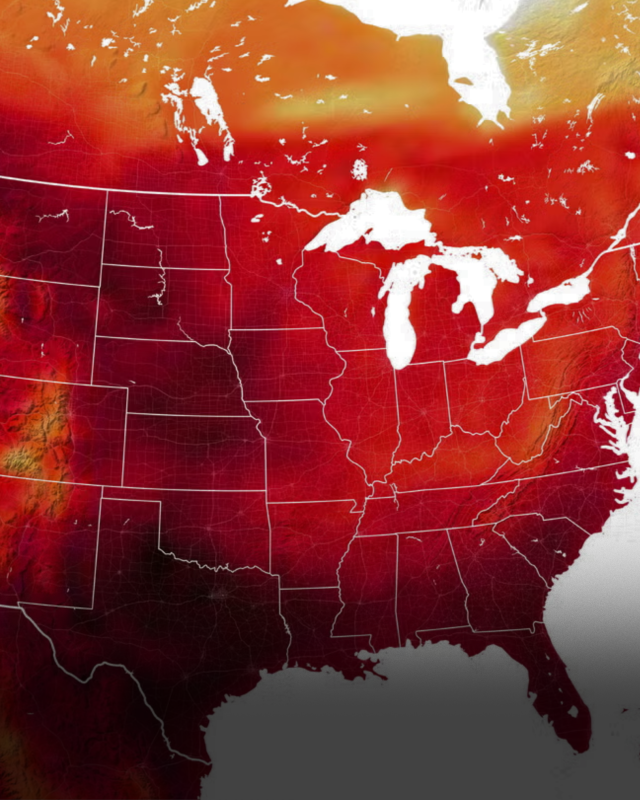
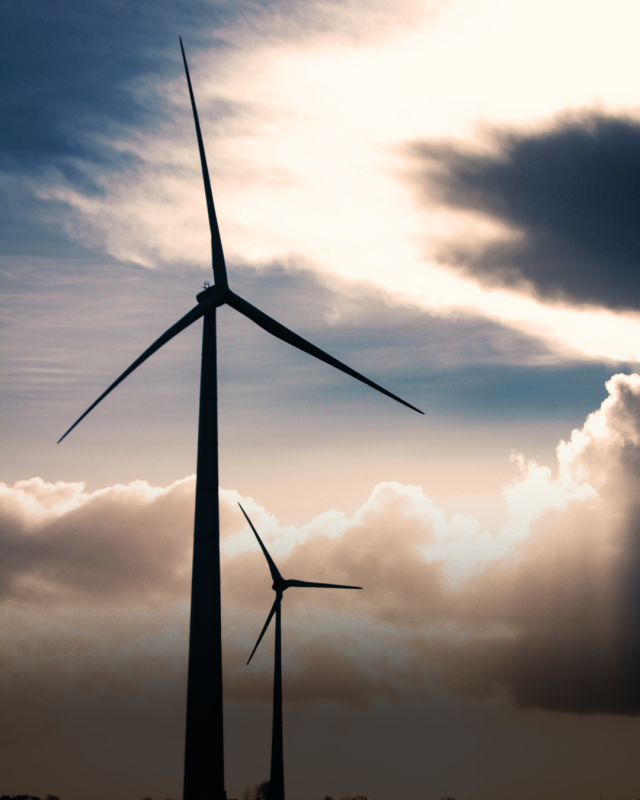
Solar, wind, hydropower, energy storage, and other resources are contributing to an increasingly diverse mix of electricity generation. At the same time, electricity demand is growing as data centers, artificial intelligence, electric vehicles, manufacturing, and electrification place new demands on the system.
During National Clean Energy Week in September, much of the conversation naturally focuses on how electricity is generated. But generation is only part of the equation.
As new sources of power come online, the electrical grid must be prepared to connect that power, move it where it’s needed, and continue delivering reliable electricity to homes, businesses, and communities.
Clean energy growth doesn’t happen separately from the grid. It creates new demands on it.
A Changing Energy Mix Changes the Grid
The traditional electrical grid was largely designed around centralized power generation, with electricity flowing from large generating facilities through transmission and distribution systems before ultimately reaching customers.
Today’s energy landscape is becoming more complex.
New generation can come from large utility-scale projects as well as smaller, distributed resources located throughout the system. Some resources also produce electricity differently depending on conditions and time of day.
For utilities, integrating those resources means thinking beyond generation capacity alone. The grid connecting that generation to customers must be able to accommodate changing power flows while continuing to provide dependable service.
That puts increasing importance on the infrastructure between the source of electricity and the people who ultimately use it.
More Generation Requires the Infrastructure to Move It
Building additional generation doesn’t automatically mean that electricity can get where it needs to go.
Transmission and distribution infrastructure must have the capacity to accept, transform, and deliver that power throughout the system.
That includes substations, transformers, conductors, protective equipment, and thousands of individual components working together across the grid.
As new generation resources are connected, utilities may need to expand existing systems, replace aging equipment, or add infrastructure to accommodate new sources and changing demand.
In other words, growing the country’s energy resources also means investing in the grid that connects them.
Transformers Remain a Critical Link
Regardless of how electricity is generated, voltage must be managed as power moves through the electrical system.
Transformers make that possible.
They allow voltage to be increased or decreased at different points throughout the grid so electricity can move efficiently and ultimately be delivered at usable levels to customers.
A solar facility, wind project, hydroelectric plant, or another generation resource may produce the electricity, but transformers and other grid infrastructure help make that electricity usable throughout the system.
As generation changes, this fundamental role remains.
Reliability Has to Grow Alongside Capacity
The conversation isn’t only about moving more electricity. It’s about moving it reliably.
Utilities are simultaneously navigating new generation resources, growing electricity demand, aging infrastructure, severe weather, and expectations for dependable service.
Adding capacity without considering reliability can create vulnerabilities elsewhere in the system.
That’s why long-term planning, preventative maintenance, equipment quality, and system resilience remain important as the grid evolves.
Much of the infrastructure being installed today will be expected to operate for years or even decades. Decisions made now can therefore have a lasting impact on future grid performance.
Every Component Contributes to Grid Performance
Large infrastructure projects tend to receive the attention, but reliability often comes down to much smaller details.
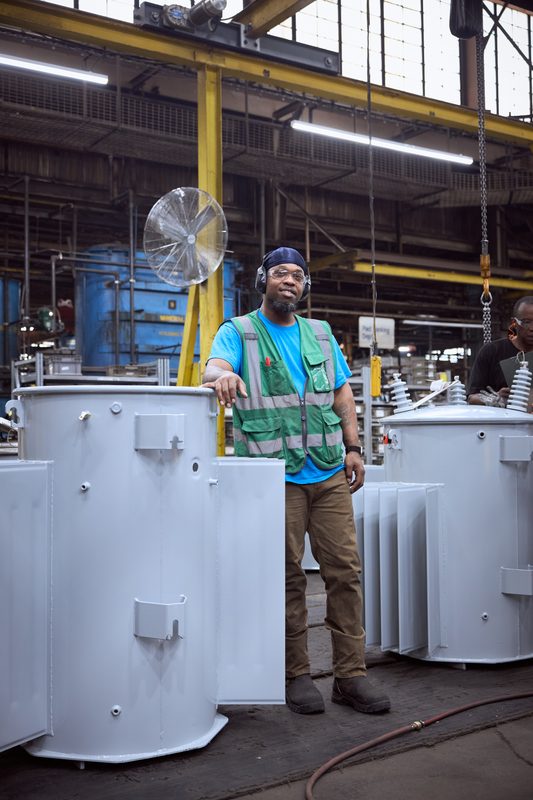
A transformer is made up of numerous systems and components, each with a specific purpose. Bushings, insulation, protective devices, cooling systems, connections, and other components must work together to support safe and dependable operation.
The same principle applies across the electrical grid.
Reliable infrastructure is the result of countless individual pieces performing as intended. Quality at the component level contributes to performance at the system level.
That’s why reliability starts long before equipment is energized in the field.
Manufacturing Capacity Matters, Too.
Growing and modernizing the electrical grid requires more than engineering plans and capital investment. Someone has to build the equipment.
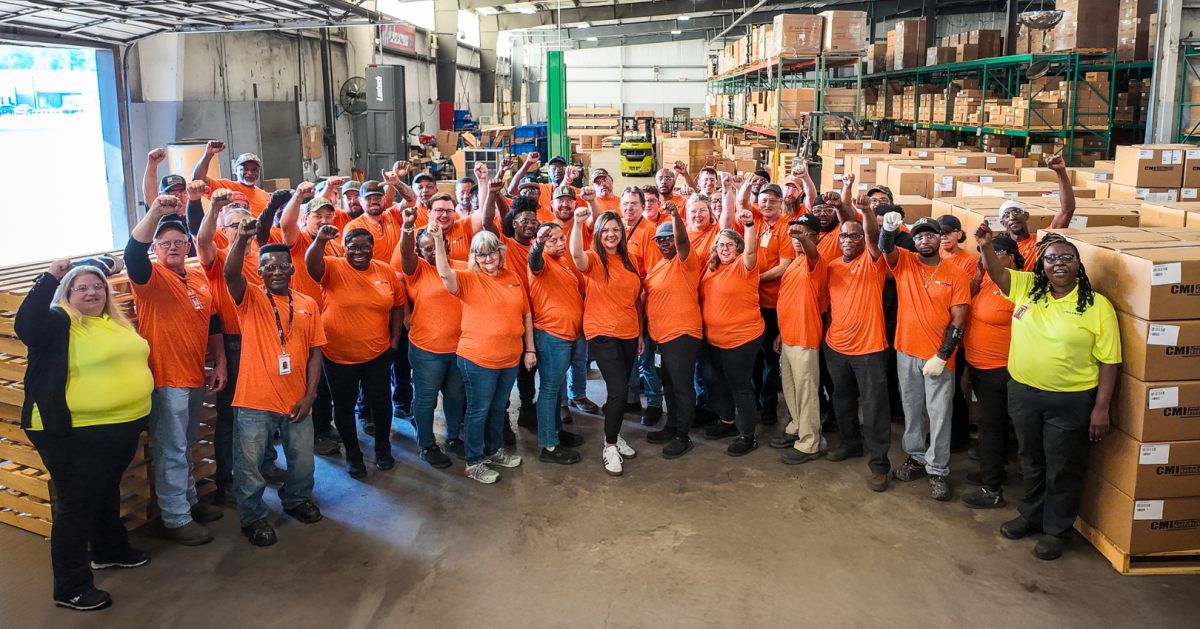
Transformers and transformer components require specialized manufacturing capabilities and a skilled workforce. Welders, machinists, assemblers, engineers, technicians, quality teams, and many others contribute to the equipment utilities rely on.
As electricity demand grows and infrastructure needs expand, the ability to manufacture dependable electrical equipment becomes an important part of the larger energy conversation.
It’s a reminder that America’s energy future isn’t only being developed at generating facilities or planned in utility offices. It’s also being built every day on manufacturing floors across the country.
Building a Grid Ready for What’s Next
National Clean Energy Week offers an opportunity to recognize the continued growth and evolution of America’s energy resources. It also provides an opportunity to look at what that growth requires from the electrical grid.
New generation must be connected. Increasing demand must be served. Aging equipment must be maintained and replaced. And through all of it, utilities must continue delivering the reliability customers expect.
The energy landscape will continue to change, and the grid will have to change with it.
At CMI, our role is to help build the transformers and transformer components that support that infrastructure. From thoughtful design and precision manufacturing to the people behind every build, we’re focused on providing equipment utilities can depend on as they prepare for what’s next.
Because no matter how electricity is generated, one thing remains constant: it needs a reliable grid to get where it’s going.