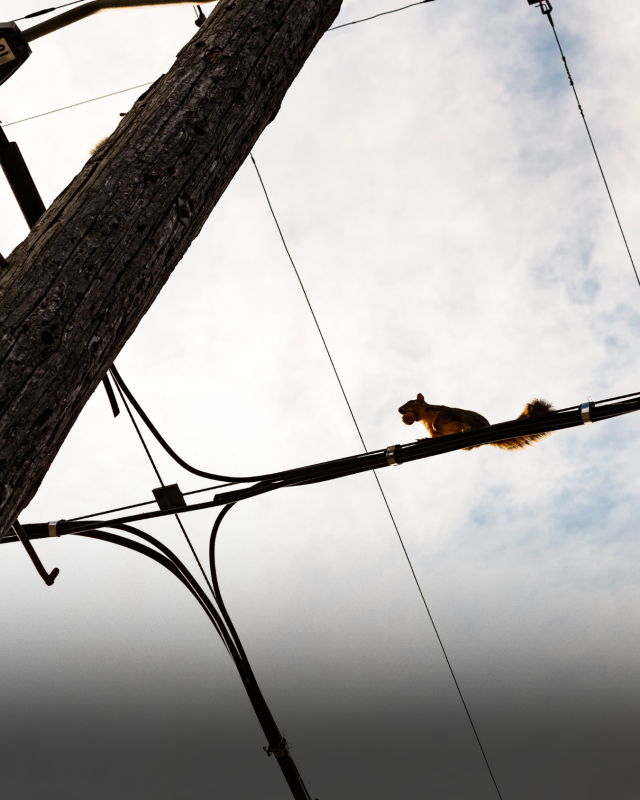
A squirrel doesn’t know what’s energized.
To wildlife, electrical infrastructure can look like any other place to climb, perch, nest, or seek shelter. Transformers, substations, poles, and other equipment can all attract animals for reasons that have nothing to do with electricity. Unfortunately, those encounters can create problems for both the animal and the electrical system.
Wildlife interactions with transmission and distribution infrastructure can contribute to service interruptions, equipment damage, and animal electrocution. Reducing wildlife-related outages and improving reliability are key reasons utilities evaluate wildlife mitigation strategies.
For utilities working to maintain reliable service, wildlife protection can be a small but important part of a much larger reliability strategy.
Why Wildlife Is Attracted to Electrical Equipment
Electrical equipment wasn’t designed to be wildlife habitat, but animals don’t necessarily see the distinction.
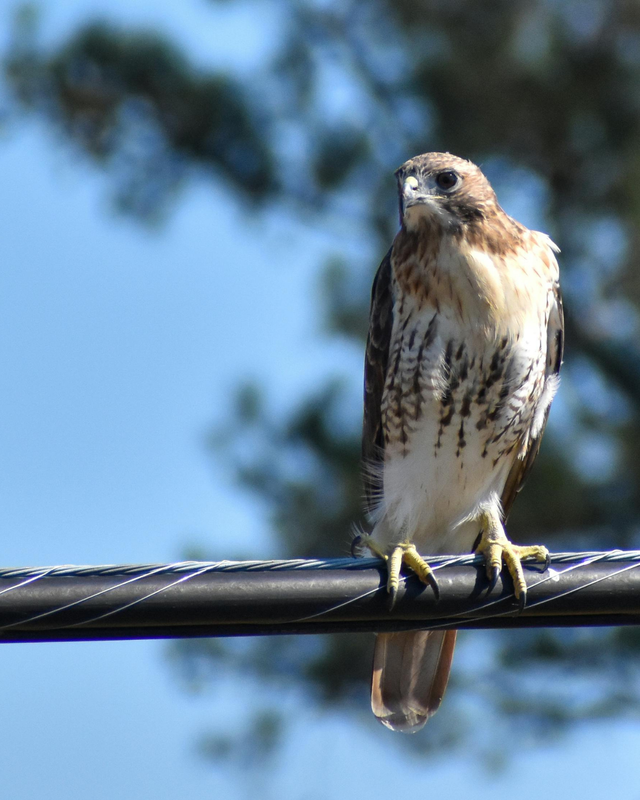
Birds may use utility structures for perching or nesting. Squirrels and other climbing animals can move across structures and equipment. Other species may enter electrical facilities while searching for food, shelter, warmth, or prey.
The specific challenges vary by geography and environment. Research identifies squirrels, birds, rats, and other animals among the wildlife utilities encounter around electrical infrastructure, with mitigation approaches varying based on the species and equipment involved.
Seasonal changes can affect animal activity, as well. That makes fall a timely reminder that changes happening around electrical infrastructure can sometimes create risks on the infrastructure itself.
How Can Wildlife Cause an Electrical Outage?
The problem isn’t simply that an animal is near electrical equipment. It’s what can happen when it reaches the wrong place.
When an animal makes contact with energized equipment or bridges points at different electrical potentials, it can create a fault. The resulting event can interrupt service and, in some circumstances, damage electrical equipment.
Animal-related faults can also create arcing. Animal faults, including those involving squirrels, are among the events capable of initiating electrical arcs that can damage conductors.
One relatively small encounter can have consequences well beyond the immediate point of contact. That’s why wildlife mitigation isn’t only about protecting animals. It’s also about reducing an avoidable source of risk to the electrical system.
What Are Wildlife Guards for Transformers?
Wildlife guards are protective devices designed to help limit an animal’s ability to make dangerous contact with vulnerable areas of electrical equipment.
Different equipment configurations and wildlife challenges can require different approaches. Utility research includes examples of animal guards installed on transformers and bushings, along with other protective coverings and wildlife-deterrent devices used throughout distribution systems and substations.
The concept is straightforward: create an additional physical barrier between wildlife and areas where contact could result in a fault.
Wildlife protection is not a replacement for broader system planning, maintenance, or other reliability practices. Instead, it is one preventive measure utilities can consider as part of a larger approach to protecting equipment and reducing avoidable interruptions.
Wildlife Protection Is Part of a Bigger Reliability Picture
Electrical grid reliability is built through many layers.
Utilities plan for changing loads, severe weather, aging infrastructure, equipment condition, vegetation, and numerous other variables that can affect service. Wildlife is another factor within that much larger picture.
Research and industry standards continue to address the issue. IEEE maintains guidance specifically focused on mitigating interruptions, equipment damage, and safety concerns associated with animal intrusion into electric power substations. Other research continues into wildlife deterrents for substations and transmission and distribution infrastructure.
That continued attention reflects a simple reality: reliability can depend on addressing risks both large and small.
A major storm may be an obvious threat to the grid. A squirrel isn’t. Both can still interrupt power.
Building Protection Into the System
At CMI, wildlife guards are part of our broader transformer components offering, alongside switching products, primary bushings and accessories, low-voltage bushings, and specialty products.
These components may represent relatively small pieces of a much larger electrical system, but each has a job to do.
Wildlife protection is a good example. By helping create a barrier between animals and vulnerable areas of electrical equipment, wildlife guards can support efforts to reduce preventable faults and protect equipment in the field.
Because when it comes to grid reliability, some of the most valuable interruptions are the ones that never happen.